In this article
Chapora Fort is a free, short climb above Vagator: park at the end of the access road, then walk up for about 10 minutes on a stepped path. Go in the first hour after opening or in the late afternoon, and start down before dark.
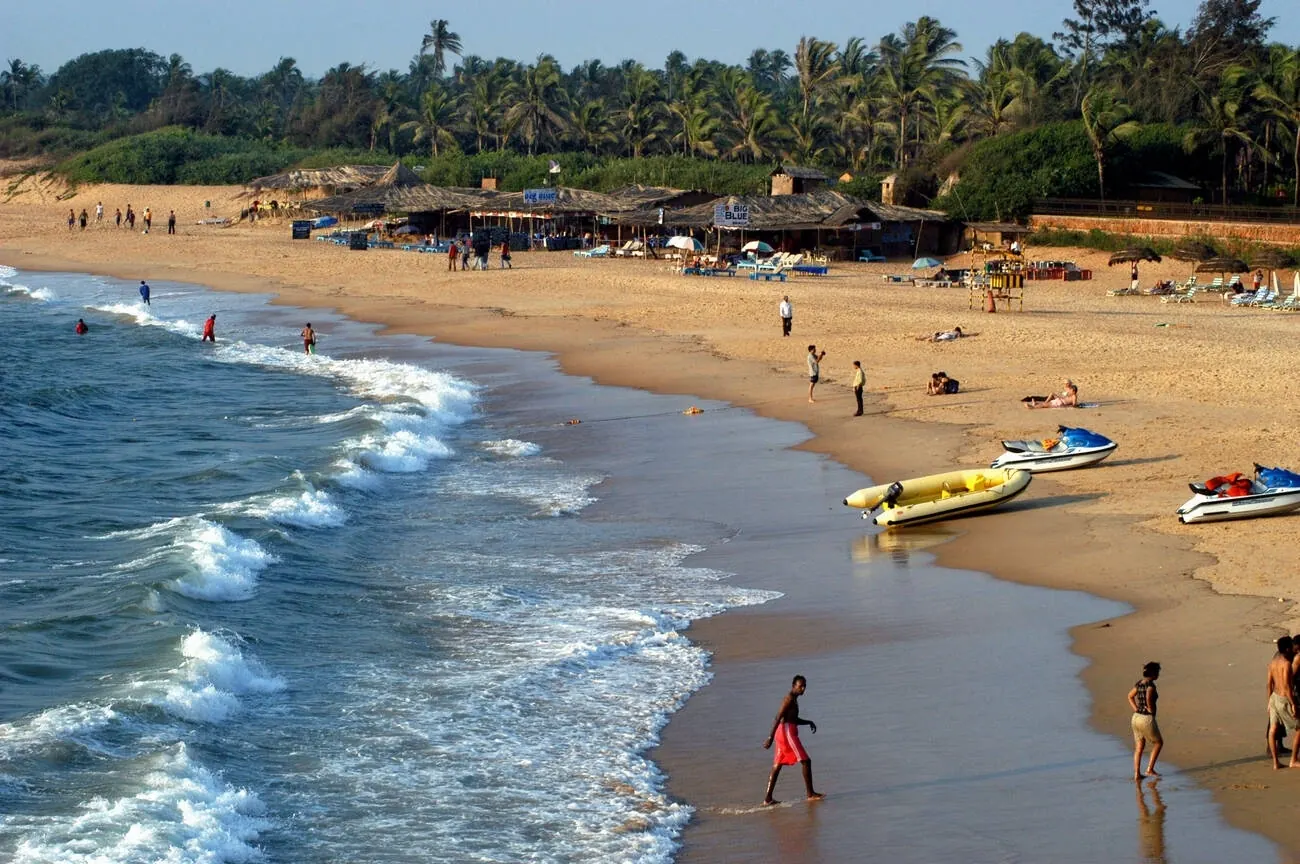
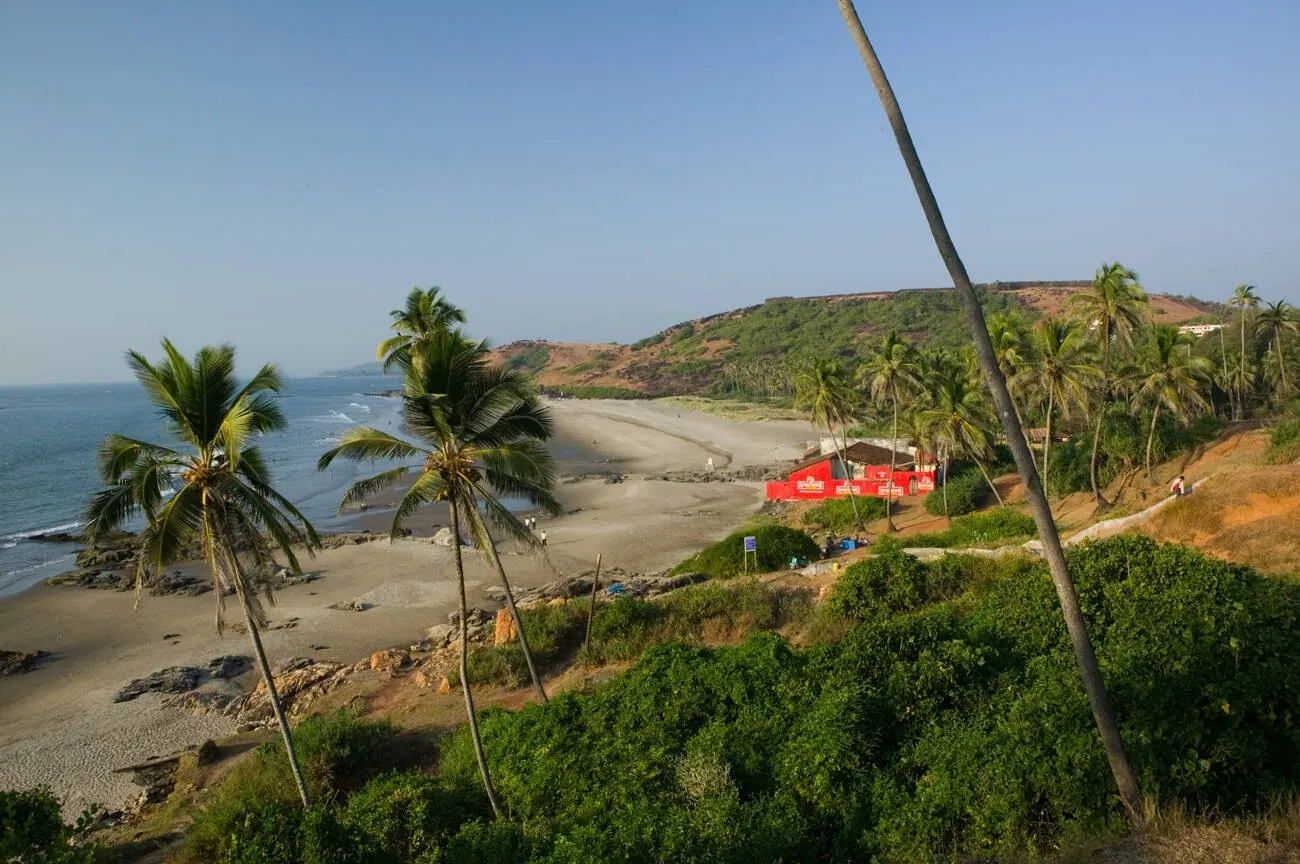
The fort is a ruin. Do not expect rooms, a museum or guides. You come for the walls and the view over Vagator Beach, the Arabian Sea and the Chapora River, and it became famous across India for a scene in the film Dil Chahta Hai.
Chapora Fort at a glance
| Detail | What we found |
|---|---|
| Entry fee | None listed |
| Listed hours | Daily, about 9:30 am to 5:30 pm. Some sources say 6 pm. |
| Climb | About 10 minutes, one guide counts about 120 steps |
| Parking | Paid, at the end of the road. Reported fees range from ₹40 to ₹200. |
| Time needed | 1 to 2 hours |
| Toilets | Reported missing in July 2025. Do not count on them. |
These details come from travel guides, not a government notice, because we could not find a current official timing sheet. Treat them as a guide and check locally.
How to reach Chapora Fort
Drive or ride to Vagator, then follow signs for the fort along the road that leads to the parking area. The fort is about 10 km from Mapusa, and it is within walking distance of Vagator Beach if you do not mind a hill.
- By scooter: The easiest option, since the final road is small and parking space is limited.
- By car: Fine outside the sunset rush. Arrive well before 4 pm in season to get a spot.
- By taxi: Ask the driver to wait, or agree on a pickup time. A return ride can be hard to find at dusk.
- On foot: Walk from the Vagator Beach road if you are staying nearby. Carry water.
Your maps app may send you to Chapora village by the river, below the hill. Set the destination to the fort's parking point instead. For more on getting around, see North Goa without a car.
What the climb is like
It is short but steep, and most people with normal fitness can do it. The state has spent ₹5.77 crore on a pathway to the fort, and a 2022 visitor account describes a well-laid path with about 120 stairs and stalls selling water and juice on the way. Take breaks when you need them.
The climb is harder for some people. Older travellers and anyone with knee trouble should take it slowly and carry a stick if they use one. Prams and wheelchairs will not manage it. Young children are fine with a hand to hold, but watch them closely at the top.
What to wear and carry
- Closed shoes or sandals with grip, as rock and laterite are uneven.
- Water and a hat. Trees give little shade near the top.
- A phone torch, if you might be coming down late.
The best time to visit
Choose early morning for comfort or late afternoon for the light. Midday is the worst option, and even a December noon is hot on the exposed walls.
The sunset problem most guides skip
Almost every guide says "go for sunset", and almost every guide lists a 5:30 pm closing time. Those two pieces of advice do not fit together. Sunset at Chapora comes at about 6 pm in November and December, around 6:45 pm in March and close to 7 pm in May.
People are often seen on the walls after the listed time, but that is not a promise, and there are no proper lights. One visitor account warns about uneven ground in the dark and stray dogs that become more active in the evening. The sensible plan is to climb at around 4 pm, enjoy the golden light, and be on your way down as soon as the sun touches the water. Or watch the sunset from Vagator, and do the fort first.
Best months
November to February is the most comfortable time for walking. From June to September the green hills look their best, but the path and laterite turn slippery, and rain can arrive suddenly. If you go in the monsoon, pick a dry gap and turn back if the path is running with water. See Goa in September for a sense of how this works late in the rains.
What you see at the top
The outer walls are the main thing to see, and you can walk along parts of them. Look west for Vagator Beach and the open sea. Look north for the Chapora River, with its boats, and the Morjim shore beyond it. Inside the walls is mostly open ground, as nature has taken back most of the original buildings.
Stay back from the edge. This is a ruin, so do not expect railings, and no photo is worth the risk.
A little history
This hill was held by the Adil Shah rulers before the Portuguese, which is where the old name Shahpura comes from. Sources disagree on the date of the Portuguese fort. Goa's government site and Lonely Planet say 1617, while Goan historian Prajal Sakhardande dates the full rebuilding to 1717. Maratha forces under Sambhaji took it in 1683, and the Portuguese soon returned. They abandoned it in 1892. It is now a State Protected Monument.
What to know about its condition
Expect some litter, stalls and a place that is not well managed. Herald Goa has reported on garbage at the site and on temporary stalls at the entrance. In July 2025, the minister told the Assembly that a restoration work order would be issued within a month, after years of delay. We found no later report that says work has started, or that entry has changed. Ask locally before you go, since repair work could close sections without much notice. Please carry your rubbish back down.
Mistakes to avoid at Chapora
- Arriving at 6 pm for a sunset. You will meet the crowd coming down and walk back in the dark.
- Climbing in rubber slippers. They slide on loose stone, and the descent is worse than the way up.
- Leaving valuables on a scooter. Take your bag up with you.
- Planning a long visit. Most people have seen it all in under an hour at the top.
Combine it with the rest of North Goa
Pair the fort with a Vagator or Anjuna afternoon, which our Anjuna guide covers. For a fort with far more left standing, compare Fort Aguada in the south of Bardez. If you want a base close by, see our page on a villa near Chapora Fort.
Looking for somewhere to stay? See Sunridge Villa Saligao Location: How to Reach It and What Is Near, Anjuna Woods Villa Location & How to Reach, Casa Palacio Villa Location & How to Reach and Villa near Chapora Fort.