

In this article
- 01Introduction: The Goa Season Most Travellers Overlook
- 02What Exactly Is Goa Shoulder Season?
- 03Why September Can Be an Interesting Month for Goa
- 04Why October Can Be a Sweet Spot
- 05Why November Deserves More Attention
- 06Shoulder Season vs Peak Season in Goa
- 07Who Should Consider Goa Shoulder Season Travel?
- 08How to Plan a Flexible Goa Itinerary
- 09A Sample 3-Day Shoulder Season Itinerary
- 10A Sample 5-Day Shoulder Season Itinerary
- 11What to Pack for a September–November Goa Trip
- 12How to Choose Accommodation During Shoulder Season
- 13Why a Flexible Stay Can Improve the Goa Experience
- 14Goa Shoulder Season for Couples
- 15Goa Shoulder Season for Families
- 16Goa Shoulder Season for Remote Workers
- 17Mistakes to Avoid During Shoulder Season
- 18StayVilmaris: A Base for Your North Goa Trip
- 19Final Verdict: Is September to November the Best Time for Goa?
Introduction: The Goa Season Most Travellers Overlook
When people think about the best time to visit Goa, the conversation usually focuses on the peak winter months. However, there is another travel window that deserves much more attention: the shoulder season.
September to November sits between the heavier monsoon period and the busy winter holiday season. This transition can create a very different kind of Goa experience. Instead of planning every day around crowds and peak-season energy, travellers can focus on flexibility, relaxed exploration and spending more meaningful time at their accommodation and nearby attractions.
For travellers who do not need to follow the traditional holiday calendar, Goa shoulder season can be an interesting option. It can work especially well for couples, remote professionals, photographers, repeat Goa visitors, weekend travellers and people who prefer a calmer atmosphere.
The idea is simple: instead of asking only “When is Goa busiest?”, ask “When can I enjoy Goa in a way that matches how I actually want to travel?”

What Exactly Is Goa Shoulder Season?
Shoulder season refers to the period between a destination's major travel seasons. In Goa, September to November can be viewed as a transition period between the monsoon-heavy months and the busier winter travel season.
The experience can vary considerably from one week to another because weather conditions are transitional. That is why shoulder-season travel requires a little flexibility.
Unlike peak season, travellers may find it easier to design a slower itinerary. Instead of trying to cover multiple attractions in one day, you can choose one or two experiences and leave time for spontaneous plans.
For many travellers, this is the real attraction of the Goa shoulder season: the trip can feel less like a checklist and more like a holiday.
Why September Can Be an Interesting Month for Goa
September can be an appealing option for travellers who enjoy Goa's greener side and do not mind some weather uncertainty.
The landscape can feel fresh after the monsoon, and the atmosphere is often different from the high-energy winter season. Travellers who enjoy photography, scenic drives, relaxed hotel stays and quieter exploration may particularly appreciate this period.
However, September is still part of the monsoon transition. Rain can influence outdoor plans, so travellers should avoid creating a rigid sightseeing schedule.
A flexible plan is better. Keep major outdoor activities adjustable and leave space for indoor relaxation, food experiences and spontaneous changes based on the day's conditions.
Why October Can Be a Sweet Spot
October is often an interesting transition month because Goa begins moving towards its busier travel period.
For travellers, this can mean an opportunity to experience a changing destination before the peak-season rush fully arrives. The weather can become more suitable for outdoor plans, while the overall atmosphere may still feel less intense than the busiest holiday periods.
October is particularly useful for travellers who want a balanced itinerary. You can combine beaches, local food, sightseeing and relaxed evenings without trying to turn every day into an exhausting tour.
It is also a good month for travellers who want to compare different styles of Goa accommodation and spend meaningful time at their stay rather than treating the property simply as a place to sleep.

Why November Deserves More Attention
November is closer to the traditional winter travel season, which makes it attractive to travellers who want a more active Goa experience while still avoiding some of the intensity associated with peak holiday dates.
This can be a useful period for couples, groups of friends and repeat visitors who already know the famous attractions and want to experience Goa at a comfortable pace.
Travellers should still check current weather and local conditions before finalising plans. Shoulder season is not about guaranteeing a particular type of weather every day. It is about choosing a period where flexibility can become part of the travel experience.
Shoulder Season vs Peak Season in Goa
Peak season has its own advantages. There is a strong holiday atmosphere, more predictable demand and plenty of travellers looking for the classic Goa experience.
Shoulder season is different. The biggest advantage is often flexibility. Travellers can build less crowded, less rushed itineraries and spend more time exploring at their own pace.
A simple comparison looks like this:
Peak season: busier atmosphere, strong holiday demand, more advance planning and a more energetic travel environment.
Shoulder season: transitional weather, potentially calmer experiences, greater itinerary flexibility and a slower style of travel.
Neither period is automatically “better”. The right choice depends on what you value most from your Goa trip.
Who Should Consider Goa Shoulder Season Travel?
Shoulder season is particularly interesting for travellers who have flexibility with their dates.
Couples who want a relaxed break can use the period for slow mornings, local food and evening exploration. Remote workers can combine work with a change of environment. Repeat visitors can explore less familiar areas instead of repeating a packed first-time itinerary.
Photographers may also enjoy transitional landscapes, while budget-conscious travellers can compare accommodation options outside the most competitive holiday dates.
It can also suit travellers who simply dislike crowded destinations. If your ideal Goa holiday involves taking your time rather than rushing from one attraction to another, shoulder season deserves consideration.
How to Plan a Flexible Goa Itinerary
The smartest shoulder-season itinerary is not completely empty, but it is not overloaded either.
Create a list of experiences in three categories: essential, optional and weather-dependent.
Essential activities are those you definitely want to do. Optional activities can be moved around. Weather-dependent activities should have a backup plan.
For example, if a beach outing becomes inconvenient because of rain, you can shift the plan towards a local food experience, shopping, a relaxed café visit or time at the accommodation.
This approach prevents one weather change from ruining an entire day.

A Sample 3-Day Shoulder Season Itinerary
Day 1: Arrive in North Goa, check in and keep the first evening relaxed. Explore the nearby area rather than trying to cover several attractions.
Day 2: Start with a slow morning and plan outdoor exploration around the weather. Keep the evening open for dinner, a beach visit or a local experience.
Day 3: Choose one major experience based on current conditions, then keep enough time for a relaxed departure.
The purpose of this itinerary is flexibility. You can replace individual activities without changing the entire structure of the trip.
A Sample 5-Day Shoulder Season Itinerary
Day 1: Arrival and relaxed local exploration.
Day 2: Beach and nearby sightseeing, depending on conditions.
Day 3: Food, culture or a slower local experience.
Day 4: A flexible exploration day with room for a longer outing.
Day 5: Leisurely morning, final local experience and departure.
The advantage of five days is that you do not need perfect weather every single day. If one day changes because of rain, you still have other opportunities.

What to Pack for a September–November Goa Trip
Shoulder-season packing should be practical rather than excessive.
Carry lightweight clothing, comfortable footwear and a compact rain layer. A small waterproof pouch can help protect phones and other electronics during sudden showers.
If you plan to work remotely, pack your laptop accessories, chargers and a backup connectivity option. Comfortable clothing for evenings and basic beachwear can also be useful.
The key is to prepare for changing conditions without allowing the possibility of rain to dominate your entire trip.
How to Choose Accommodation During Shoulder Season
Accommodation becomes an important part of the shoulder-season experience because you may spend more time at your property when outdoor plans change.
Look for a stay that fits your group size and travel style. Couples may prefer a hotel environment, while families or small groups may prefer a villa setting.
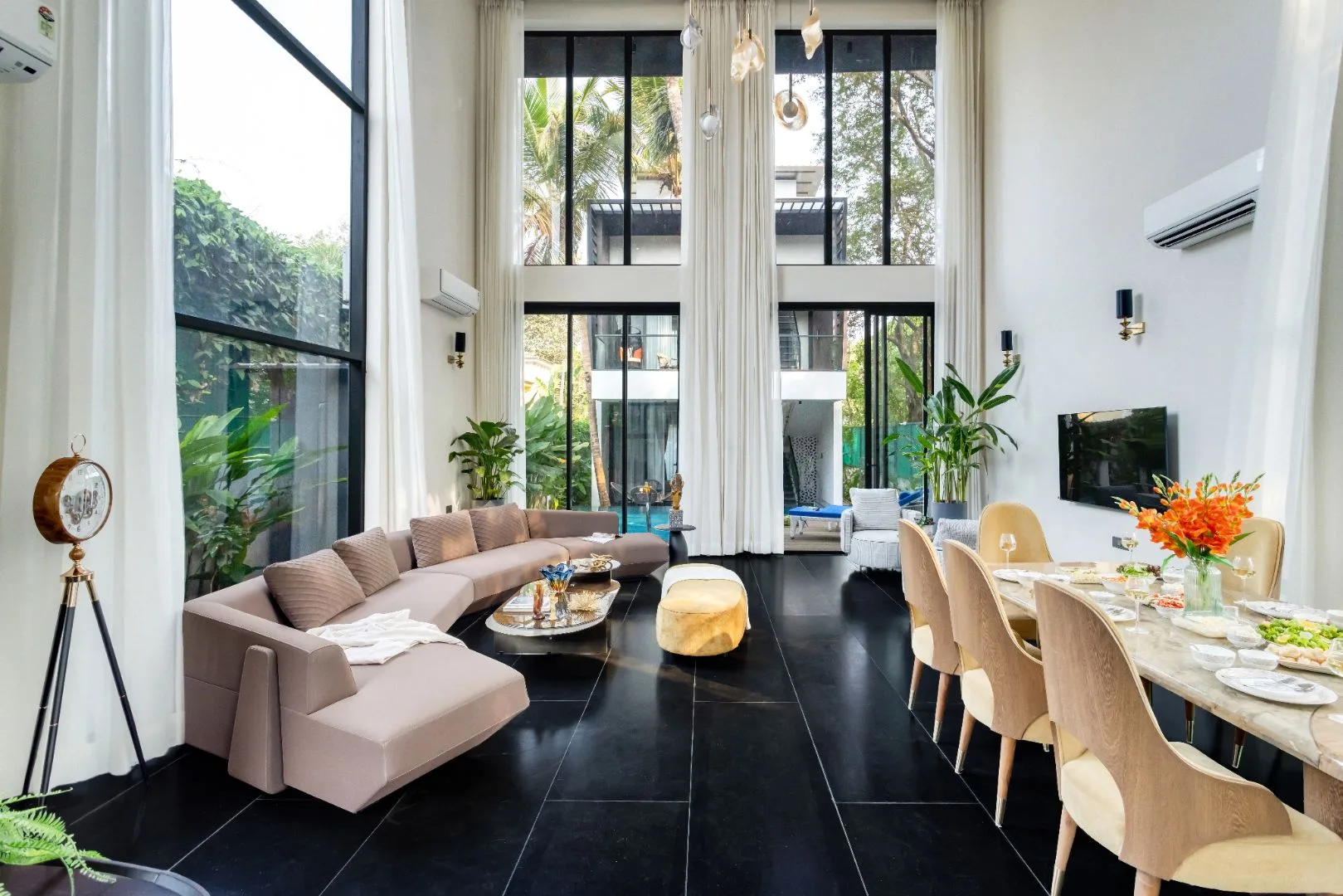
StayVilmaris offers both hotel and villa options in North Goa. Vilmaris Breeze Hotel and Vilmaris Luxe Hotel can be considered by travellers looking for hotel accommodation. Courtyard Villa and Sunridge Vilmaris Villa can be considered by travellers who prefer a villa-style stay.
Always confirm the current facilities and policies directly with the property before booking, especially if specific amenities are important to your trip.

Why a Flexible Stay Can Improve the Goa Experience
A good shoulder-season holiday is not necessarily about maximising the number of places you visit. It is about having enough flexibility to enjoy the destination regardless of small changes in weather or plans.
That may mean having a slow breakfast, spending an hour relaxing, heading out when the weather improves and returning without feeling that you missed something.
This style of travel can be especially rewarding for repeat visitors. Once you have already seen the major attractions, you can focus on food, neighbourhoods, local experiences and simply enjoying the rhythm of Goa.
Goa Shoulder Season for Couples
Couples can use September to November for a slower romantic escape without creating an extremely packed itinerary.
Plan one major activity each day and keep the remaining time flexible. Sunset walks, relaxed meals, scenic drives and quiet evenings can become more memorable than checking off a long list of attractions.
A hotel such as Vilmaris Breeze Hotel or Vilmaris Luxe Hotel can suit couples who prefer a hotel stay, while Courtyard Villa or Sunridge Vilmaris Villa can be considered when a villa environment better matches their preferences.

Goa Shoulder Season for Families
Families can benefit from flexible planning because children may not enjoy a tightly scheduled sightseeing programme.
Choose a comfortable base and keep daily travel manageable. Have both outdoor and indoor alternatives available.
Instead of planning every attraction in advance, decide which activity makes the most sense based on the day's conditions. This can reduce stress and make the holiday more enjoyable for everyone.
Goa Shoulder Season for Remote Workers
For remote professionals, shoulder season can provide an interesting combination of work and travel. A traveller can maintain regular working hours and use evenings or lighter days for exploration.
If you are planning a workation, prioritise practical accommodation requirements such as workspace, connectivity and privacy. Keep your sightseeing plans flexible around meetings and deadlines.
This approach can turn a normal working week into a change of scenery without requiring a completely separate holiday schedule.

Mistakes to Avoid During Shoulder Season
The first mistake is assuming that every day will have identical weather. Transitional months require flexibility.
The second is creating a rigid itinerary with outdoor activities scheduled back-to-back.
Another mistake is choosing accommodation without considering how much time you may actually spend there. During uncertain weather, your stay becomes a bigger part of the overall holiday.
Finally, avoid judging shoulder season against peak season using only crowd levels. Each period offers a different version of Goa, and the best choice depends on your personal travel priorities.
StayVilmaris: A Base for Your North Goa Trip
A well-planned shoulder-season holiday starts with choosing a practical base in North Goa.
StayVilmaris provides multiple accommodation choices for different travel styles. Vilmaris Breeze Hotel and Vilmaris Luxe Hotel offer hotel options, while Courtyard Villa and Sunridge Vilmaris Villa provide villa-based alternatives.
Whether you are planning a couple's escape, family trip, remote-work stay or longer holiday, compare the available options according to your group size, preferred accommodation style and specific requirements.
For any facilities that are essential to your stay, confirm the latest details before booking.
Final Verdict: Is September to November the Best Time for Goa?
There is no single best month for every Goa traveller. Peak season may be ideal for visitors who want the classic winter holiday atmosphere, while shoulder season can be more attractive to people who value flexibility and a calmer pace.
September, October and November each offer a different transition within Goa's travel calendar. The smartest approach is to choose based on your priorities rather than following a generic “best time to visit” list.
If you have flexible dates, enjoy slower travel and are comfortable adapting outdoor plans to conditions, Goa shoulder season can be an excellent period to explore North Goa.
In the end, the smartest time to visit Goa is the time that matches the experience you actually want.


