

Introduction: Discover North Goa Through Food
North Goa is often associated with beaches, nightlife and cafés, but food can offer an entirely different way to understand the destination. Goan cuisine carries influences from local traditions, coastal ingredients, spices and centuries of cultural exchange.
A food-focused trip does not have to mean visiting expensive restaurants or checking off a list of famous cafés. A genuine North Goa food trail can include a local breakfast, traditional dishes, market exploration, regional sweets and a relaxed dinner.
The idea is simple: instead of asking only where to eat, ask what to eat, why it is important and where you can experience it respectfully.
This guide creates a practical food journey for travellers who want to explore North Goa through its flavours while still leaving enough time for sightseeing and relaxation.
What Makes Goan Food Different?
Goan food reflects the state's coastal geography, local ingredients and diverse cultural history. Rice, coconut, seafood, spices and regional cooking techniques appear across many traditional preparations.
There is also considerable variety within Goan cuisine, so one meal cannot represent everything. A traveller may encounter seafood preparations, vegetarian dishes, breads, snacks, sweets and dishes with distinctive spice combinations.
Rather than looking for one universally 'best' dish, treat the food journey as an opportunity to explore different flavours and styles.
Start Your North Goa Food Trail With Breakfast
Breakfast is an easy place to begin a culinary exploration because traditional morning foods can be very different from the typical hotel breakfast experience.
Look for local bakeries, small eateries and places serving regional breakfast options. Goan breads and simple local preparations can be a useful introduction to the state's food culture.
Do not rush breakfast. A food trail is as much about observing local eating habits as it is about the food itself.
If you are travelling with children, choose familiar options alongside something new so everyone can participate comfortably.

Explore Goan Bakery Culture
Goa has a distinctive bakery tradition, and local bakeries can be an interesting stop during a food trail.
Look for traditional breads and baked items and ask local sellers about what is popular in the area. Early morning can be a particularly interesting time because bakeries are part of everyday community life rather than simply tourist attractions.
A bakery stop also works well for travellers who want a lighter breakfast or an afternoon snack.
Try Traditional Goan Fish and Seafood
For seafood lovers, Goan cuisine offers plenty to explore. Fish and other seafood are important ingredients in many coastal preparations.
Rather than focusing only on a restaurant's popularity, ask about traditional preparations and regional styles. A simple local seafood meal can sometimes provide a better understanding of Goan flavours than a heavily modified tourist dish.
Always consider freshness, hygiene and your own dietary requirements when choosing seafood.

Don't Skip Vegetarian Goan Food
A North Goa food trail should not be limited to seafood. Goan vegetarian cuisine has its own range of dishes, ingredients and cooking traditions.
Vegetarian travellers can explore rice-based meals, vegetable preparations, lentil dishes, breads and regional sweets. Trying vegetarian dishes alongside seafood also gives you a more complete picture of the cuisine.
If you have dietary restrictions, communicate them clearly when ordering and ask about ingredients.
Discover Goan Spices and Ingredients
Spices are central to the character of many Goan dishes. Chilli, pepper, cumin and other aromatics contribute to distinctive flavours.
A local market can be a useful place to see spices and ingredients outside the restaurant environment. You can ask vendors about products, observe how ingredients are sold and consider buying small quantities as edible souvenirs.
For travellers interested in cooking, a spice-focused stop can also make a useful addition to a culinary itinerary.
Visit a Local Market for a Different Food Experience
Markets reveal a side of food culture that restaurants cannot fully show. You can see fresh produce, seafood, spices, fruits and everyday ingredients used by local households.
Visit respectfully and ask before photographing people or individual stalls. If you buy something, support legitimate sellers and avoid excessive bargaining over small amounts.
The goal is to understand how food moves from local markets to kitchens and tables.
Try a Traditional Goan Thali
A thali-style meal can be a practical way to sample several preparations in one sitting. Depending on the restaurant and region, the selection can vary.
Instead of judging the meal only by quantity, pay attention to different flavours, textures and accompaniments.
A thali is particularly useful for first-time visitors because it allows them to experience multiple elements of a meal without ordering a large number of separate dishes.

Goan Snacks: The Small Bites Worth Exploring
Food trails are not only about full meals. Snacks can add variety between sightseeing stops.
Explore local savoury items, breads, fried snacks and sweets where available. Ask local residents or food vendors what they recommend rather than choosing only based on social-media popularity.
Keep portions small if you want to sample several items throughout the day.
Save Room for Goan Desserts and Sweets
Desserts are often overlooked when travellers plan a food itinerary. Traditional Goan sweets can provide a completely different taste profile from the spicy and savoury dishes associated with the region.
Try regional sweets in small portions so you can continue exploring other foods during the day.
If you are buying packaged products to take home, check ingredients, storage instructions and shelf life.

A North Goa Food Trail for Couples
Couples can turn a food trail into a relaxed day rather than a restaurant checklist.
Begin with breakfast at a local bakery, explore a market, share a traditional lunch, stop for an afternoon snack and finish with dinner at a place that matches your preferred atmosphere.
Leave enough time between meals for a beach walk or sightseeing. Food tastes better when the itinerary does not feel rushed.
A North Goa Food Trail for Families
Families can make the experience interactive by allowing each person to choose one new dish to try.
Balance traditional food with familiar choices, especially for younger children. Keep hydration and meal timing in mind during warm weather.
Markets and bakeries can be easier family stops than a long multi-course meal because they allow everyone to explore at their own pace.

A North Goa Food Trail for Friends
Friends can turn a food trail into a shared tasting experience. Instead of everyone ordering separate meals, consider sharing several suitable dishes so the group can compare flavours.
Set a sensible food budget before the day begins and avoid trying to visit too many places. Two or three strong food stops can be more enjoyable than a long list of restaurants.
A North Goa Food Trail for Solo Travellers
Solo travellers can make a food trail highly flexible. Smaller portions and shorter stops make it easier to sample different foods without over-ordering.
Local bakeries, markets and casual eateries can work well for solo exploration. If you are unsure about a dish, ask the vendor or staff about ingredients and portion size before ordering.
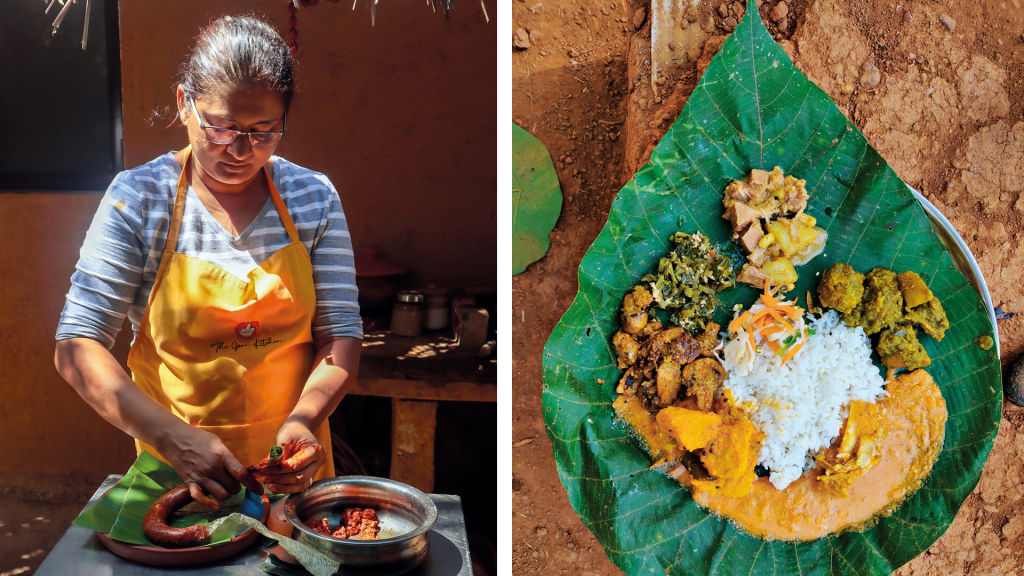
One-Day North Goa Food Trail Itinerary
Morning: Start with a traditional breakfast or bakery stop.
Late Morning: Explore a local market and look at spices, produce and regional ingredients.
Lunch: Choose a restaurant serving traditional Goan food and try a regional preparation or thali-style meal.
Afternoon: Take a break at a café or enjoy a local snack and dessert.
Early Evening: Explore another part of North Goa or take a relaxed coastal walk when conditions are suitable.
Dinner: Finish with a Goan meal or seafood experience that you have not tried earlier.
The exact restaurants and dishes can be changed according to current availability, dietary preferences and location.
How to Find Authentic Goan Food Without Chasing Viral Restaurants
Social media can be useful for discovering food, but viral popularity does not automatically mean authenticity.
Look for restaurants and eateries that clearly identify regional dishes and ask staff what local customers commonly order. Small, established businesses can sometimes offer a more traditional experience than places designed primarily around social-media presentation.
Check recent reviews, hygiene standards, opening hours and current menus before travelling to a specific place.

What to Know About Spice Levels
Goan food can include chilli and strong spices, but not every dish is extremely spicy.
If you are sensitive to heat, ask before ordering and request a milder preparation where possible. Do not assume that a dish is mild simply because it looks creamy or familiar.
Trying different dishes gradually is a better approach than ordering several very spicy items at once.
Food Hygiene and Dietary Tips for Travellers
A food trail should be enjoyable without ignoring basic precautions. Choose places that appear clean and have good food-handling practices.
If you have allergies or dietary restrictions, ask about ingredients before ordering. Travellers should also consider personal tolerance for seafood, spice, dairy and other ingredients.
When buying food from markets, follow local storage and preparation guidance.

Where to Stay for a North Goa Food Trail
Accommodation location matters because a food-focused itinerary may involve several short trips during the day.
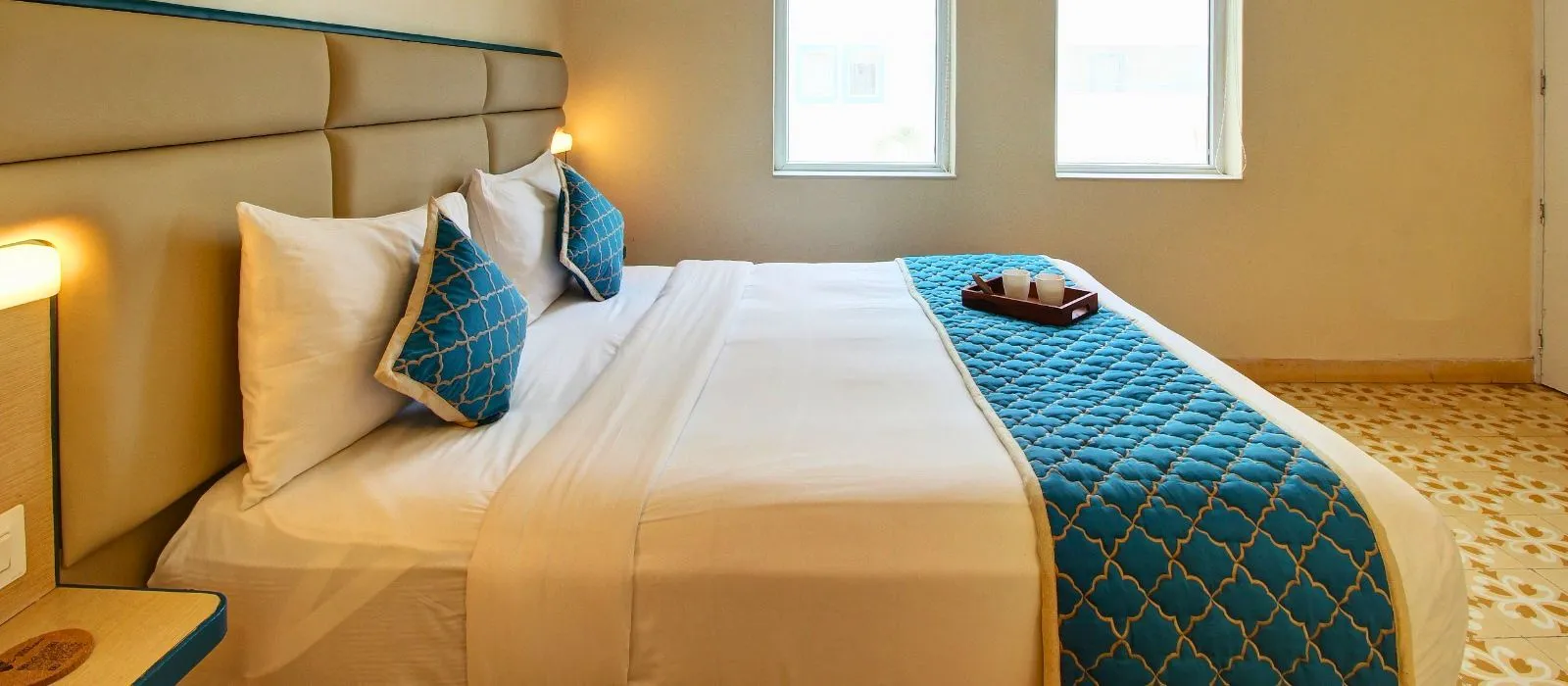
StayVilmaris offers Vilmaris Breeze Hotel and Vilmaris Luxe Hotel as hotel options, along with Courtyard Villa and Sunridge Vilmaris Villa as villa-style options in North Goa.
Choose your base according to the areas you plan to explore, your group size and your preferred accommodation style. Before booking, verify current location, facilities, policies and availability.
How StayVilmaris Fits Into a Culinary Weekend
A comfortable base makes it easier to build a relaxed food itinerary. Instead of spending most of the day travelling between distant areas, you can organise food stops around your accommodation and sightseeing plans.
Whether you choose Vilmaris Breeze Hotel, Vilmaris Luxe Hotel, Courtyard Villa or Sunridge Vilmaris Villa, plan the day's food route before heading out and keep some flexibility for spontaneous discoveries.
The aim is to experience North Goa's food culture without turning the holiday into a race between restaurants.
Responsible Food Tourism in Goa
Food tourism can support local communities when travellers choose legitimate local businesses and treat people respectfully.
Ask before photographing vendors or kitchens. Avoid wasting food, especially when ordering shared dishes. Support small businesses where appropriate and respect local customs.
A responsible food trail is not just about finding the cheapest or most Instagrammable meal. It is about appreciating the people, ingredients and traditions behind the food.
Final Thoughts: Taste North Goa Beyond the Tourist Menu
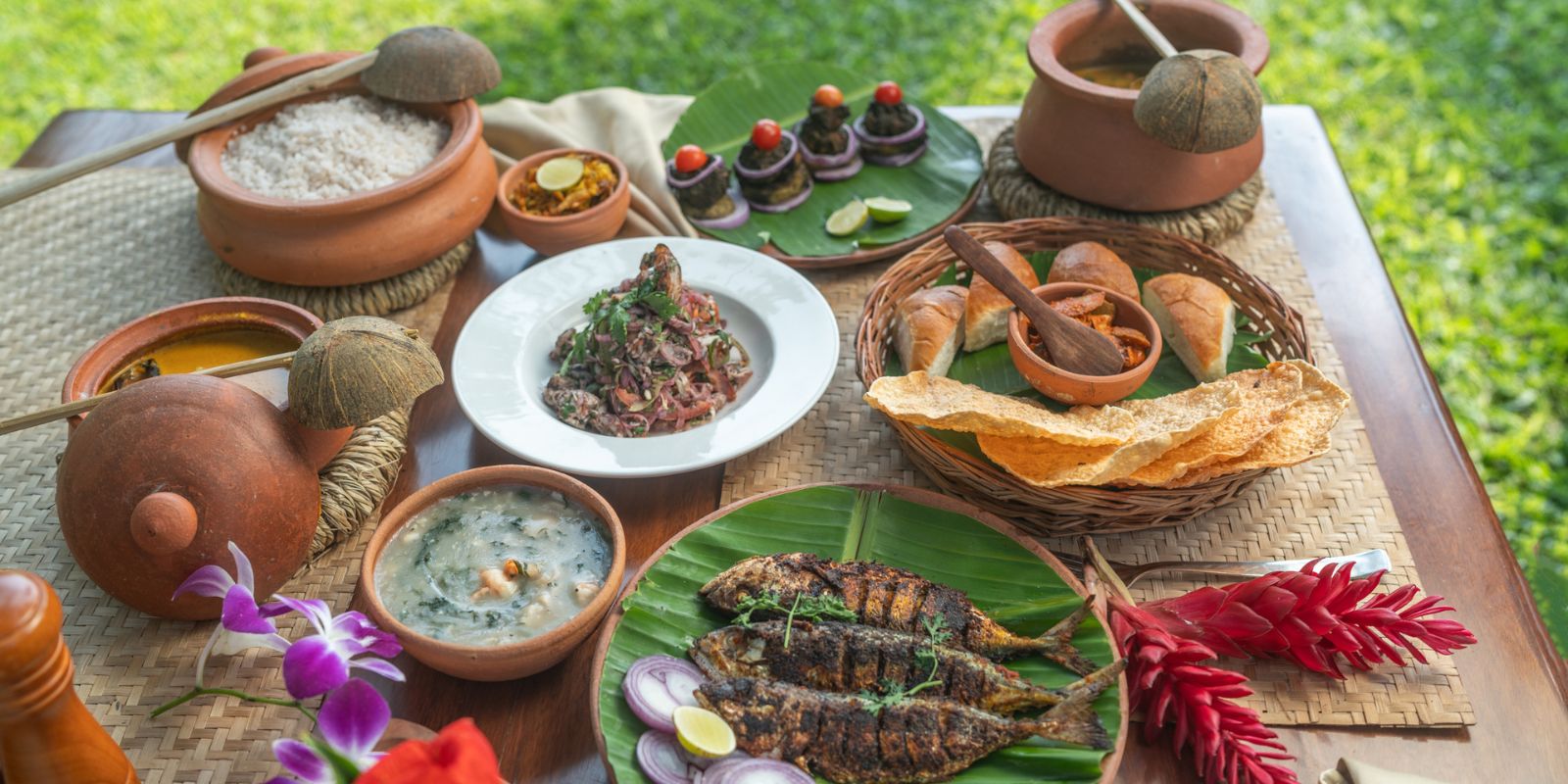
A North Goa food trail can transform the way you experience the destination. Instead of treating meals as breaks between sightseeing, food becomes part of the journey itself.
Start with breakfast. Visit a bakery. Explore a market. Taste traditional Goan dishes. Try seafood if you enjoy it. Discover vegetarian preparations. Sample local sweets. Ask questions and slow down.
You do not need to visit ten restaurants to have a great culinary trip. A few thoughtful food experiences can give you a stronger connection to North Goa than a long list of tourist stops.
The next time you visit Goa, leave some space in your itinerary for the destination's flavours. You may discover that some of your best Goa memories happen around a table.


