In this article
- 01Why Goa Looks Different During Monsoon
- 02Is Goa Worth Visiting During Monsoon?
- 03Are Beaches in Goa Safe During Monsoon?
- 04Top Beaches to Visit During Monsoon in Goa
- 052. Palolem Beach – South Goa's Most Welcoming Monsoon Shore
- 06Less Crowded Beaches in Goa During Monsoon
- 07Things to Carry for Goa Monsoon Beach Trips
- 08Travel Safety Tips for Monsoon Beach Visits in Goa
- 09Best Time to Visit Goa Beaches During Monsoon
- 10June brings the most intense rainfall and the freshest, most dramatic greenery — ideal for photographers and nature lovers who do not mind heavy showers. July marks full monsoon immersion with spectacular waterfalls and rivers in full flow. August offers the sweet spot — peak lushness with more frequent clear spells, making it the most popular month for beach walks and South Goa exploration. September is the gentlest month — lighter rain, clearing skies, and the first hints of golden evening light returning to the coast. Prices stay low and beaches remain beautifully empty right through to early October.
- 11Where to Stay Near Goa Beaches During Monsoon
Why Goa Looks Different During Monsoon
Most travellers picture Goa as a sun-soaked playground of golden sand and turquoise water. But if you really want to see this coastline at its most dramatic and alive, you need to visit during the rainy season.
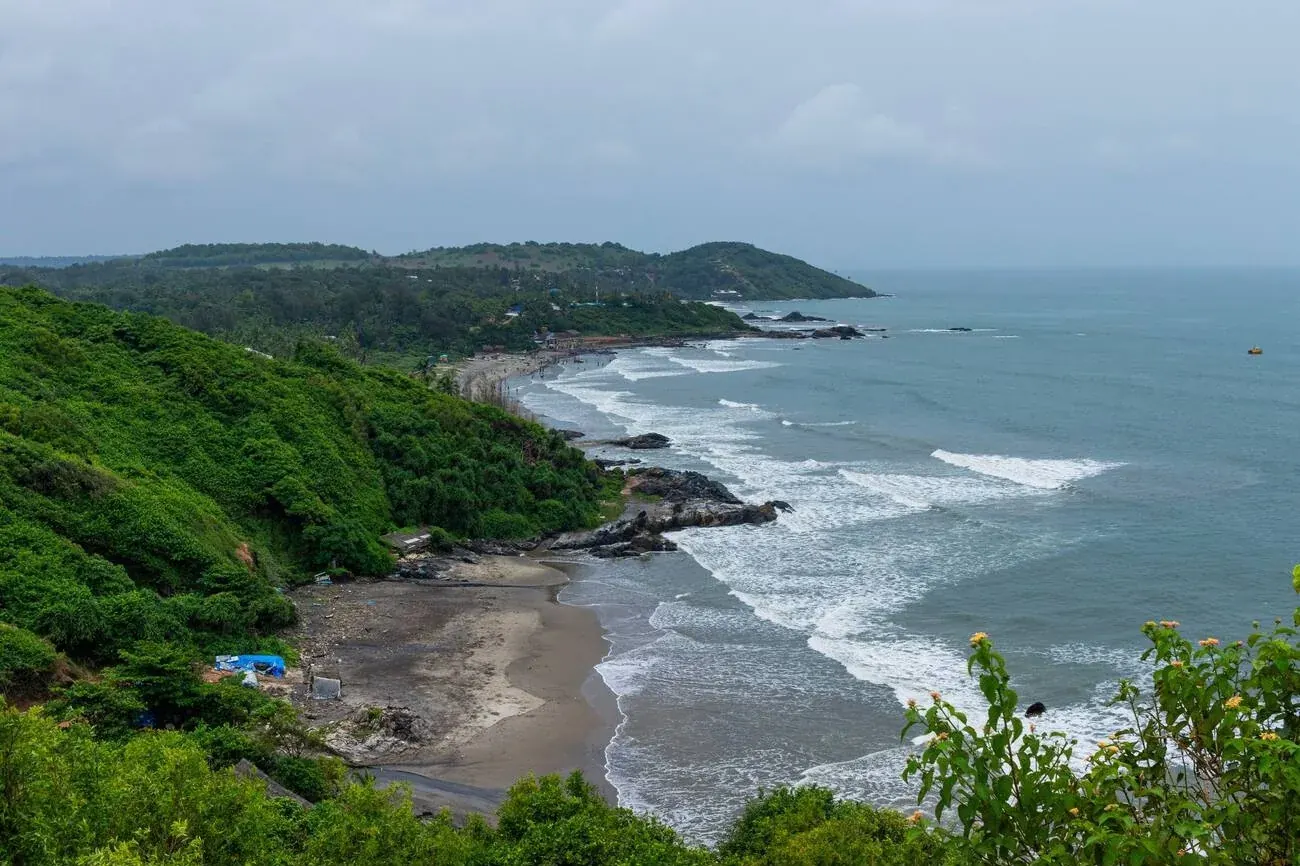
The best beach in Goa during monsoon is a completely different experience — the sky turns silver-grey, the ocean roars, and the hills behind every shore explode in fifty shades of green. And the crowds, mercifully, disappear.From June to September, the beaches in Goa during monsoon undergo a quiet transformation.
The scent of wet earth and salt air hangs everywhere. Village shacks that are overrun by tourists in December return to their natural rhythm — sleepy, warm, and genuinely welcoming.Whether you are a couple seeking romance, a photographer hunting dramatic light, or simply someone tired of noise, the monsoon season offers something peak season never will: real peace.
Beaches become greener, quieter, and deeply peaceful.The coastline is fringed with lush tropical vegetation that only reaches its full glory during the rains. Waterfalls appear along cliff faces. Rivers fill up. From a scenic beauty standpoint, monsoon Goa is arguably the most photogenic version of the state — if you know where to look and how to stay safe.
Is Goa Worth Visiting During Monsoon?
Absolutely — if you come with the right mindset. Goa in monsoon is not a traditional beach holiday. It is something richer, rawer, and more memorable. Hotel prices can drop by 40 to 60 percent compared to peak season. Restaurants, taxis, and most attractions remain open.
What you gain: the lushest possible landscape, dramatic seascapes, practically deserted beaches, and fresher seafood at lower prices. This is the season to experience goa during monsoon the way locals know it — not as a resort destination, but as a living, breathing coastal state with centuries of culture and natural beauty.
Dudhsagar Waterfalls roar at full power, spice farms are at their most fragrant, and the UNESCO heritage quarter of Old Goa looks magnificent in the rain.
Are Beaches in Goa Safe During Monsoon?
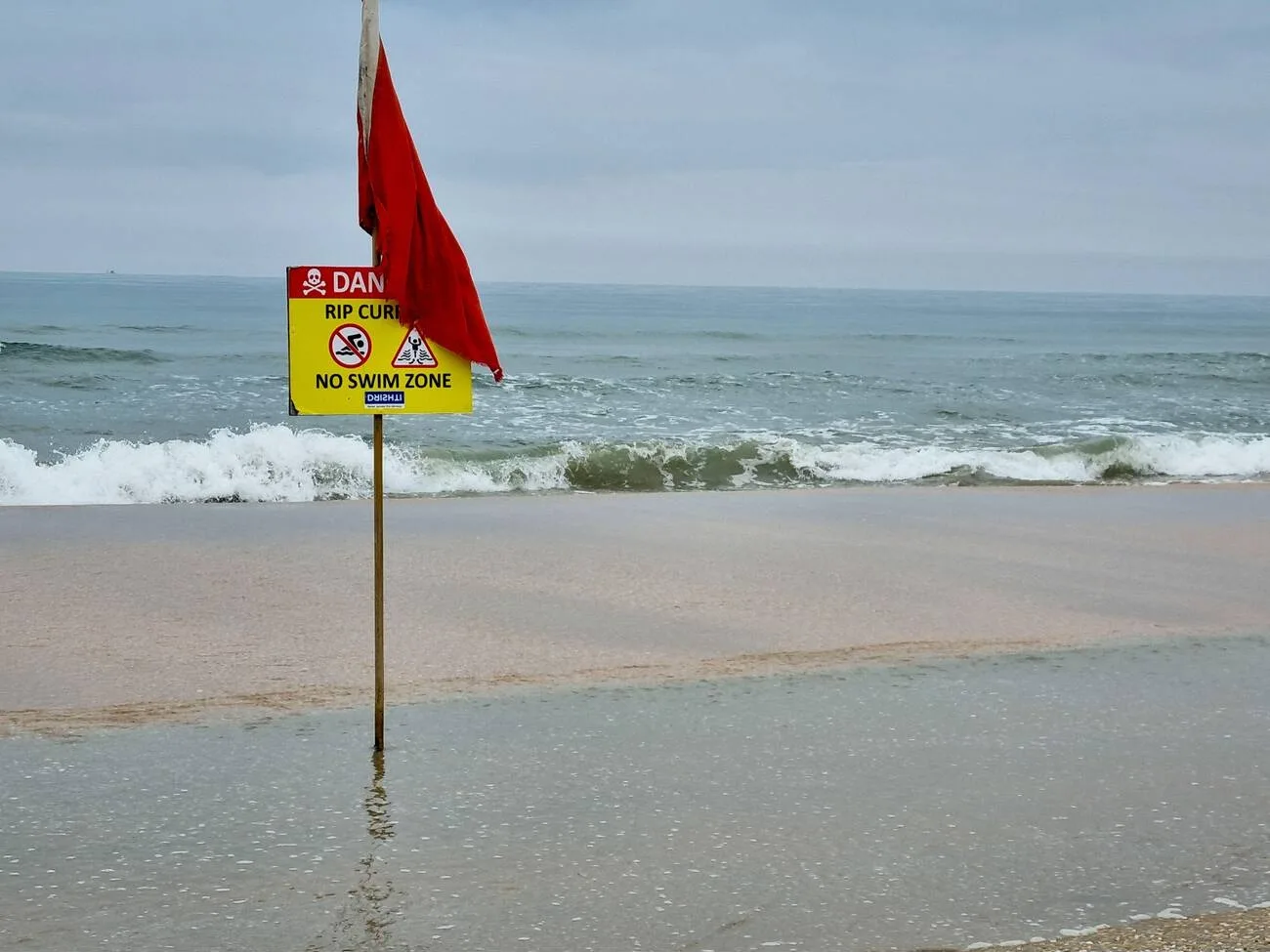
This is the question every smart traveller asks — and the honest answer is: it depends entirely on which beach you visit and what you intend to do. Visiting beaches in Goa is absolutely possible and often stunningly beautiful during the monsoon. Swimming in the sea, however, is a different matter entirely.
1. Which Beaches Are Safer: South Goa beaches — particularly Agonda, Palolem, and Cola — are generally calmer because they are partially sheltered by headlands or situated in protected bays. North Goa beaches like Vagator and Morjim can be wilder and more dramatic but are equally safe for walking and photography as long as you keep a respectful distance from the waterline.
2. Swimming Warnings: Swimming at any Goa beach during monsoon is strongly discouraged and officially prohibited at most beaches. Powerful rip currents, unpredictable wave surges, and reduced visibility beneath the surface make even short swims life-threatening. Experienced local fishermen do not enter the water during this period — visitors should take that seriously.
3. Government Safety Flags:
- Red Flag: Displayed at all beaches from June through August. Swimming strictly prohibited. Never ignore this flag.
- Yellow Flag: Occasional caution flag seen in September. Exercise extreme care.
- Green Flag: Very rarely seen during core monsoon months. Indicates relatively safer conditions.
4. Best Time to Visit Beaches During Rain: Morning hours between 7 AM and 10 AM tend to offer the clearest skies and calmest conditions. Late afternoon around 4 PM to 6 PM often produces spectacular light for photography. Avoid beaches during and immediately after heavy downpours when paths become slippery.
Top Beaches to Visit During Monsoon in Goa
Below are the finest beaches in Goa for monsoon visits — each with its own character and what makes it worth the journey during the rainy season.
1. Agonda Beach – The Monsoon Crown Jewel
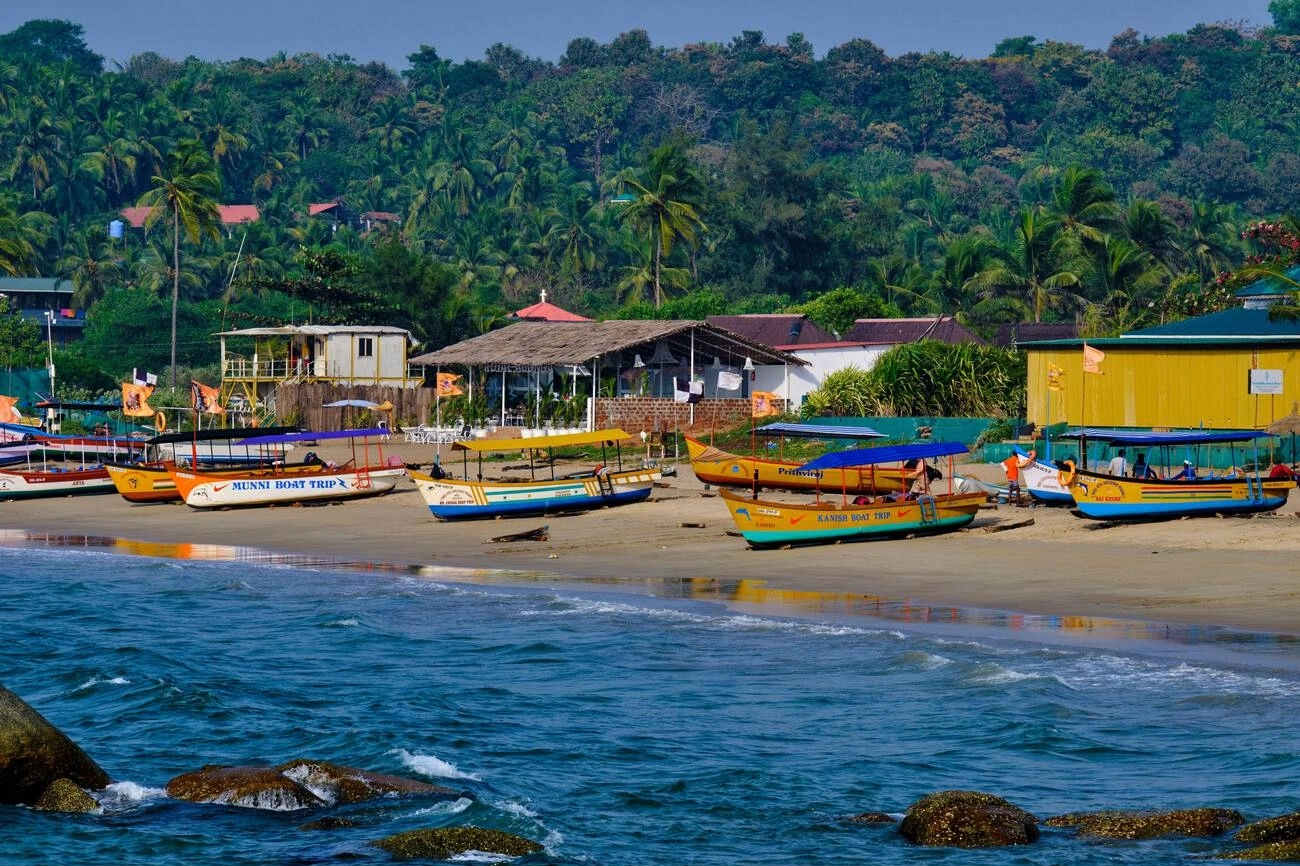 Agonda is
arguably the single best beach in Goa during monsoon. Even in peak season it is
quieter than most — in the rains it becomes almost meditative. The long
crescent of pale sand flanked by green hills is breathtaking in low light.
Olive Ridley turtles nest here during monsoon months, making it one of the few
Indian beaches where you might share the shore with nesting sea turtles. Best
for couples, solo travellers, wildlife enthusiasts, and photography. Nearby:
Palolem Beach, Cola Beach, Cabo de Rama Fort.
Agonda is
arguably the single best beach in Goa during monsoon. Even in peak season it is
quieter than most — in the rains it becomes almost meditative. The long
crescent of pale sand flanked by green hills is breathtaking in low light.
Olive Ridley turtles nest here during monsoon months, making it one of the few
Indian beaches where you might share the shore with nesting sea turtles. Best
for couples, solo travellers, wildlife enthusiasts, and photography. Nearby:
Palolem Beach, Cola Beach, Cabo de Rama Fort.
2. Palolem Beach – South Goa's Most Welcoming Monsoon Shore
Palolem's horseshoe bay is partially sheltered by two headlands, giving it a noticeably gentler sea compared to exposed northern beaches. The village stays active through the rains with cafes, yoga studios, and small shops open throughout. Coconut palms here seem to double in height during the monsoon, and the whole bay glows an extraordinary shade of jade-green in misty light. Best for couples, solo travellers, relaxed walks, and fresh seafood.
3. Morjim Beach – North Goa's Quiet Coastal Gem
Morjim is a long, relatively undeveloped stretch in far north Goa. The Chapora River mouth at its northern end creates a fascinating natural estuary that fills beautifully during the rains. Also a famous Olive Ridley turtle nesting beach, adding a wildlife dimension to its monsoon appeal. Best for nature lovers, birdwatching, and peaceful coastal walks. Nearby: Chapora Fort, Siolim.
4. Ashwem Beach – North Goa's Best Kept Secret

Wedged between Morjim and Mandrem, Ashwem is one of the most beautiful beaches in Goa in monsoon for those who want total seclusion. A freshwater lagoon just behind the beach transforms into a spectacular jade-green pool during the rains. A handful of boutique eco-stays remain open and cater to those seeking genuine peace. Best for couples, creative retreats, and lagoon photography.
5. Vagator Beach – For Dramatic Monsoon Scenery
Vagator is all about drama. Towering red laterite cliffs frame a dark sand cove that looks extraordinary in monsoon light. The sea here crashes with real force, creating explosions of white foam that are among the most photogenic sights in all of Goa during the rains. The nearby Chapora Fort adds a moody historical backdrop. Best for photography, dramatic scenery, and history lovers.
6. Butterfly Beach – The Hidden Cove
Accessible only by a steep jungle trail or a short boat ride from Palolem, Butterfly Beach sits in a private cove surrounded entirely by forest. During the monsoon, waterfalls trickle down the rocky walls after heavy rain, and the canopy turns an impossibly rich shade of green. Dolphins are frequently spotted on the boat journey. Best for honeymooners, adventure trekkers, and wildlife spotting.
7. Colva Beach – South Goa's Long Sandy Retreat
Colva is one of the longest beaches in South Goa and becomes a vast empty canvas during the rains. The Colva village has a genuine local character — old Portuguese-influenced houses, a famous church, and local seafood eateries open year-round. Best for long walks, families, and exploring authentic Goan village life. Nearby: Our Lady of Mercy Church, Margao city.
8. Candolim Beach – The Accessible North Goa Option

If you are staying in North Goa, Candolim is the most well-maintained and accessible option during monsoon. The beach is long and flat, the surrounding area has good restaurants and accommodation, and it is close to Panaji for day trips. Best for families, short-stay visitors, and as a practical base. Nearby: Fort Aguada, Reis Magos Fort, Panaji heritage quarter.
Less Crowded Beaches in Goa During Monsoon
For those searching for peaceful beaches in Goa or hidden beaches during monsoon, these lesser-known shores offer genuine solitude that even the quieter main beaches cannot match.
• Cola Beach (Khola Beach): Accessible via a steep private path, Cola's freshwater lagoon turns a stunning jade-green in the monsoon. One of the most secluded shores in South Goa.
• Mandrem Beach: A long casuarina-lined shore between Ashwem and Arambol. Yoga retreats here actively market monsoon detox packages. Near-empty during the rains.
• Kakolem Beach (Tiger Beach): Reachable only by a steep jungle descent near Cola, this tiny cove is one of the most dramatic hidden beaches in Goa during monsoon.
• Patnem Beach: Smaller and quieter than neighbouring Palolem, Patnem has a village feel ideal for a slow, unhurried monsoon stay.
Things to Carry for Goa Monsoon Beach Trips
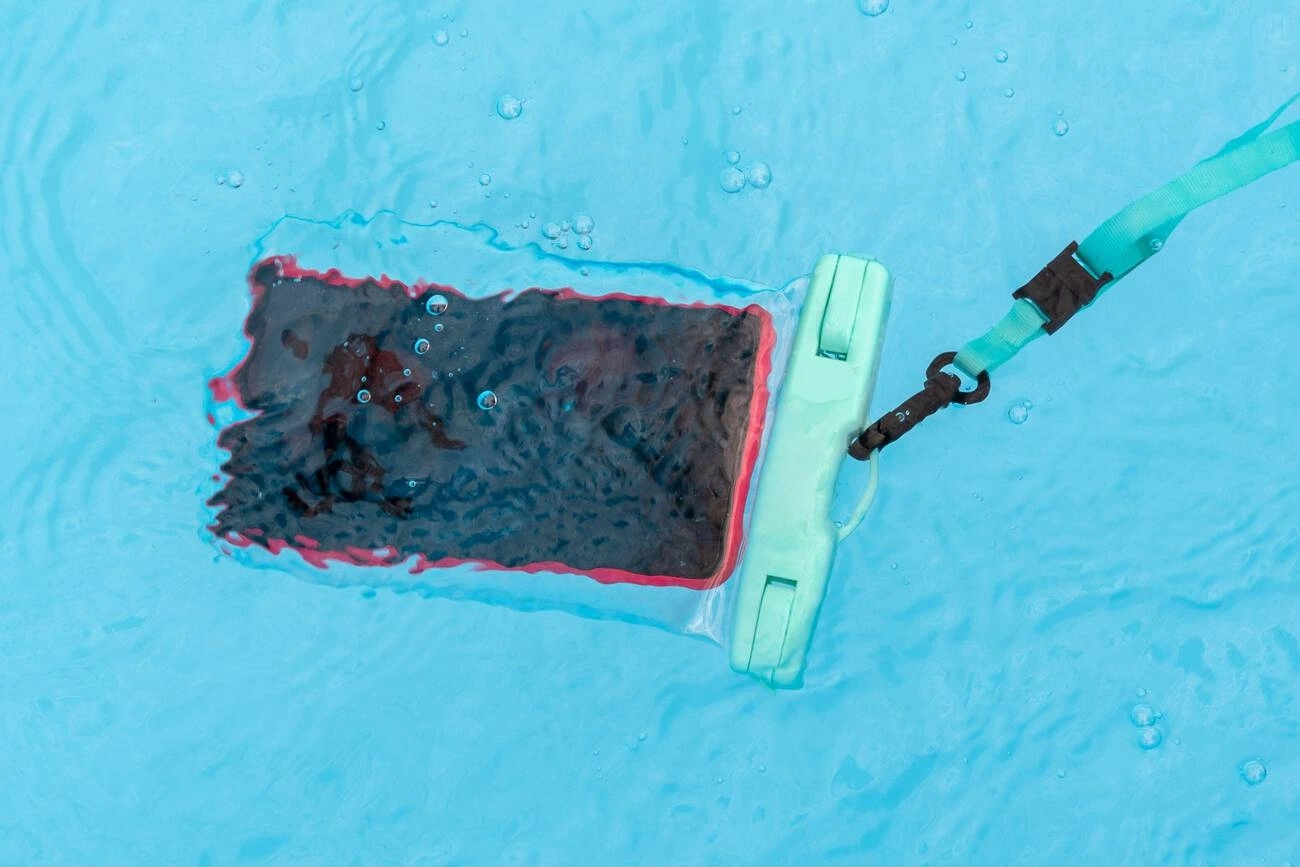
• Waterproof dry bag or pouch: Essential for protecting your phone, camera, and documents from sea spray and sudden downpours.
• Grip rubber slippers or water shoes: Muddy coastal paths and wet rocks are extremely slippery — flat plastic slippers are a hazard.
• Lightweight raincoat or poncho: Allows you to enjoy beach walks even during light to moderate rainfall.
• Extra sets of clothing: Pack one extra outfit per day — getting wet is part of the experience, but staying wet is not. • Mosquito repellent: Insects are far more active during monsoon, particularly near lagoons and forested beaches. • Sunscreen SPF 50+: UV levels remain very high despite cloud cover. Apply even on overcast days.
Travel Safety Tips for Monsoon Beach Visits in Goa
• Never enter the water: Even waist-deep water during monsoon can conceal deadly rip currents. Red flags mean no exceptions.
• Follow all warning signs and flags: The Goa government and lifeguards take beach closures seriously. Visitors should too.
• Avoid late-night beach walks during storms: Visibility is severely reduced and wave surges can reach the upper beach without warning.
• Check IMD weather alerts daily: Red or orange alerts mean stay close to accommodation. Conditions can change rapidly.
• Watch your footing on rocks and cliffs: Wet laterite rock is dangerously slick. Wear grip footwear at viewpoints like Vagator and Chapora Fort.
Suggested Read: things to do in goa
Best Time to Visit Goa Beaches During Monsoon
June brings the most intense rainfall and the freshest, most dramatic greenery — ideal for photographers and nature lovers who do not mind heavy showers. July marks full monsoon immersion with spectacular waterfalls and rivers in full flow. August offers the sweet spot — peak lushness with more frequent clear spells, making it the most popular month for beach walks and South Goa exploration. September is the gentlest month — lighter rain, clearing skies, and the first hints of golden evening light returning to the coast. Prices stay low and beaches remain beautifully empty right through to early October.
Suggested Read: Best time to visit in goa
Where to Stay Near Goa Beaches During Monsoon

In North Goa, the Calangute and Candolim area retains the most year-round infrastructure — restaurants, pharmacies, and transport. Boutique heritage properties around Siolim and Assagao offer a refined, quiet retreat experience. For Vagator and Morjim, several small guesthouses remain operational with great views and easy beach access. For South Goa's best monsoon beaches — Agonda, Palolem, and Cola — village homestays and eco-resorts are the most characterful options. The area around Agonda village has several guesthouses open all year with warm, unhurried hospitality that is hard to find anywhere in peak season. For those wanting a private villa stay — a serene garden property with easy access to South Goa's most beautiful monsoon shores — Stayvilmaris is worth exploring. Ideal for couples and small families who want a quiet, comfortable base from which to explore the best beaches in goa during monsoon at their own pace.
Suggested Read: goa in monsoon season 2026
Conclusion: – Discover the Real Goa This Monsoon
There is a version of Goa that most people never see — not because it is hard to reach, but because they arrive at the wrong time of year. The best beach in Goa during monsoon does not have a DJ set or a beach bar. What it has is something rarer: genuine beauty, deep quiet, and the kind of freedom that most travel only promises but rarely delivers. Whether you find yourself at sunrise on deserted Agonda, watching the fog roll across the lagoon at Cola, hiking down to Butterfly Beach through dripping jungle, or sitting above the churning surf at Vagator — this is the Goa that locals love. Use this goa monsoon beach guide to plan wisely, pack correctly, and move at the pace this season deserves. The beautiful beaches in Goa in monsoon are waiting.