In this article
Here is the truth nobody tells you — Goa in monsoon season is quieter, greener, cheaper, and in many ways more enjoyable than the December rush most people plan for. The crowds disappear, the prices drop by 30 to 50 percent, and the whole state transforms into something that looks nothing like the Goa you see in travel photos. Empty beaches. Paddy fields turning bright green. Old forts covered in mist. Street-side fish curry that tastes better in the rain. That is what Goa in monsoon season actually gives you. This guide covers everything you need — what to expect, where to go, what to carry, and how to make the most of visiting Goa in rainy season in 2026.
What Goa Actually Looks Like in Monsoon — No Fluff
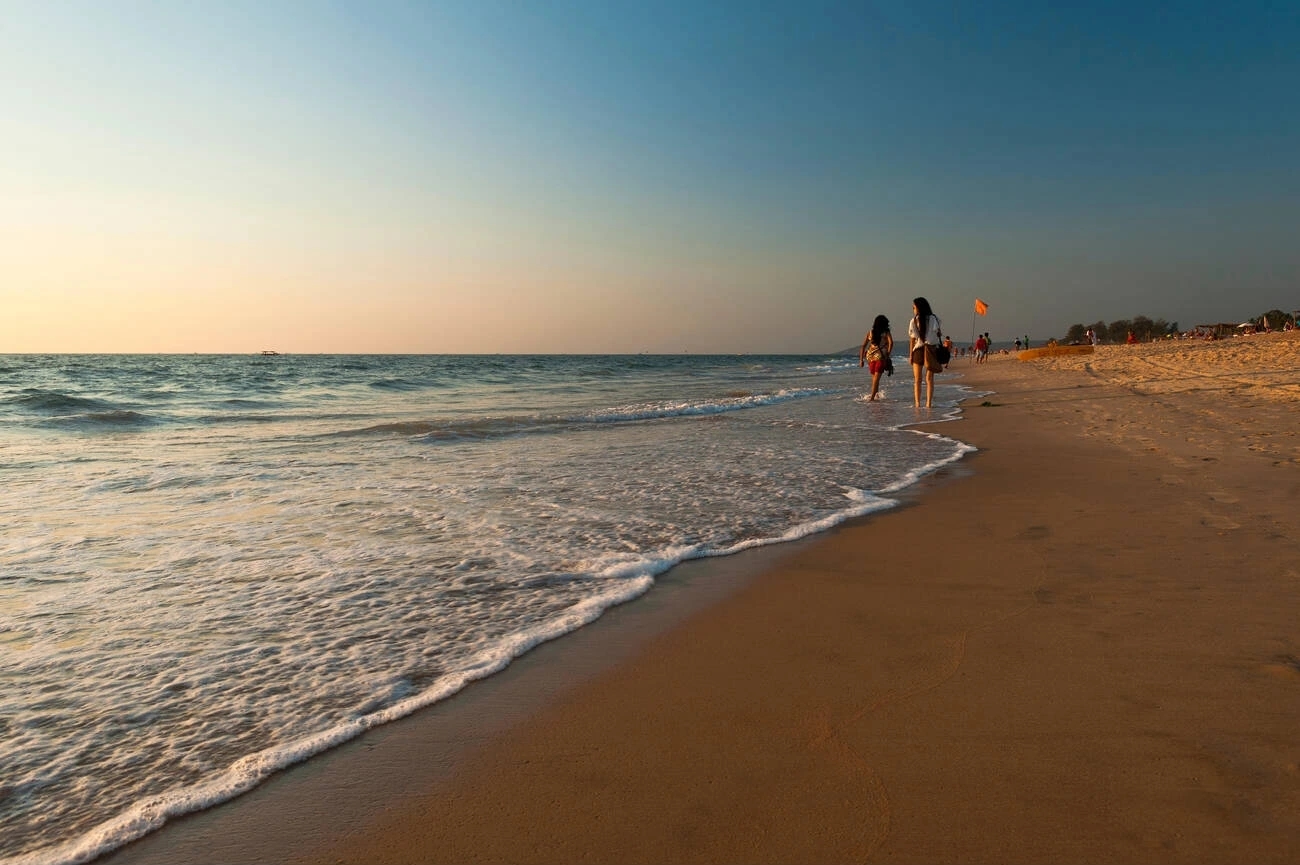
The monsoon arrives in Goa around the first week of June and stays until mid-September. It does not rain non-stop. A typical monsoon day involves a few hours of heavy rain in the morning or evening, followed by clear skies and warm air. The sea turns rough and dark, the beaches empty out, and the villages come back to life. Goa in monsoon season is genuinely the best time to see the state the way locals see it — slow, green, and completely unhurried. By July and August the rains settle into a rhythm.
This is when North Goa in monsoon is at its most photogenic. The paddy fields around Saligao and the hills behind Anjuna turn a deep vivid green that no other month can match. September brings lighter showers — a softer entry into monsoon travel with greenery still everywhere. One thing that does not change — sea swimming is off-limits from June to September. The currents are very strong and even experienced swimmers have had serious trouble. Enjoy the sea from the shore. The monsoon waves at Anjuna and Candolim are one of the most dramatic sights in all of Goa.
Is Goa Good in Monsoon — The Honest Answer
Yes — if you are the right kind of traveller. If you want water sports, packed beach shacks, and sunshine every day — come in November instead. If you are still figuring out the best time to visit in Goa for your travel style, it comes down to what you actually want — peak season gives you energy and action, monsoon gives you peace and real Goa. The travellers who love monsoon Goa move slowly. They cycle through villages, eat at local restaurants, visit old forts in the morning mist, and spend evenings watching the rain from a café doorway. If that is your kind of trip — this is your season.
Best Places to Visit in North Goa in Monsoon Season
1. Anjuna Beach and Village
Anjuna without the crowds is a different place entirely. The beach shacks are shut, the flea market is closed, and what you get is a wide dark-sand beach with powerful monsoon waves and almost no one around. The rocks at the southern end are the best spot to sit and watch the sea during a rain break. The Anjuna village itself is worth exploring on foot or by cycle — narrow lanes, old Portuguese homes with moss-covered walls, small bakeries, and the smell of wet red soil after a morning shower. For a broader look at North Goa beyond Anjuna, check our guide on the best places to visit in Goa across all seasons.
Things to do:
• Early morning beach walk — the whole stretch is often empty by 7 AM
• Cycle through the village and stop at a local bakery for fresh bread
• Visit the rocky southern end for the best wave-watching in North Goa
• Drive 10 minutes to Chapora Fort for a monsoon hilltop view
Timing: 6 AM to 10 AM or 4 PM to 6 PM works best.
Stay tip: Groups and families staying in Anjuna do best with a private villa — your own space, a pool on clear afternoons, and walking distance to the beach.
2. Chapora Fort

Peak season at Chapora Fort is crowded. In the monsoon it is quiet, misty, and one of the most rewarding spots in North Goa. The fort sits on a hill above Vagator Beach with the Arabian Sea on one side and the Chapora River on the other. Arrive by 7 AM and you will often find the fort wrapped in morning mist.
Deep green grass inside old red laterite walls, the sound of wind, and hills stretching to the horizon — it earns its reputation entirely in the monsoon.
Things to do:
• Walk the full perimeter for a 360-degree view of sea and river
• Sit at the northern edge overlooking the Chapora River
• Combine with a walk down to Vagator Beach just below
Timing: Open daily, no entry fee. Best 7 AM to 10 AM or 4 PM to 6 PM.
Tip: Path up is slippery in rain — wear grip shoes. No shops at the top so carry water.
3. Calangute and Baga Beach Walk

Calangute transforms completely in the monsoon. Shacks and crowds are gone, and the 3-kilometre stretch to Baga becomes a quiet morning walk used mostly by locals. The sea here is powerful and loud — big grey-green waves on a wide empty beach without a crowd in sight.
Things to do:
• Morning walk from Calangute to Baga and back — 6 kilometres, fully quiet
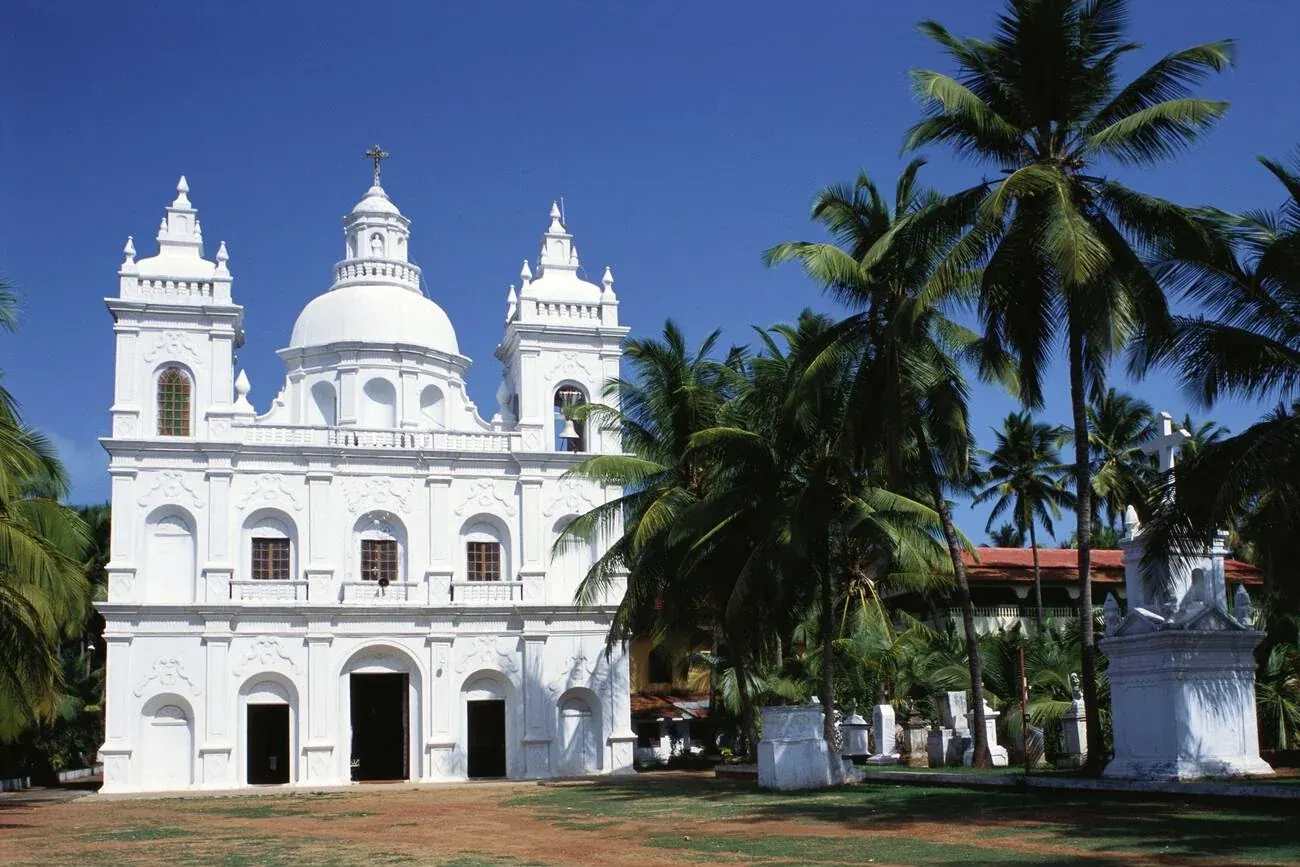
• Visit St. Alex Church in Calangute town — stunning against a rain-heavy sky
• Eat at a local restaurant near the market — fresh poi bread, egg bhurji, and chai
• Shop for Goan spices and cashews at off-season prices in the Calangute market
Timing: Any time of day. Early morning is the most peaceful.
Stay
tip: Calangute is the most central base for exploring multiple North Goa spots
without long drives.
4. Candolim Beach
Candolim is naturally quieter than Baga or Calangute even in peak season. In the monsoon, it becomes almost empty. The long straight beach lined with casuarina trees, the wind bending them, and a handful of local tea stalls staying open near the shore — this is what a genuinely peaceful Goa beach looks like.
Things to do:
• Slow evening walk as the clouds clear after rain
• Visit Fort Aguada — 15 minutes south, a well-preserved Portuguese fort with a lighthouse
• Try fresh seafood at small local restaurants open year-round near Candolim
• Drive to Sinquerim Beach just beyond for even more peace
Timing: Early morning or evening. Avoid during active heavy rain spells.
Stay
tip: A hotel near Candolim puts you within easy reach of Fort Aguada,
Calangute, and the Nerul River backwaters.
Suggested Read: water sports activities in goa
5. Saligao Village

Most Goa tourists never visit Saligao — and that is exactly what makes it special. This small village between Calangute and Mapusa sits inside paddy fields that turn vivid green as soon as the monsoon arrives. Cycling through Saligao in the rains past old Portuguese homes, red-mud lanes, coconut palms, and the Mae De Deus Church is one of the most genuinely peaceful experiences in North Goa.
Things to do:
• Cycle from Calangute to Saligao — about 3 kilometres, quiet roads, beautiful scenery
• Visit Mae De Deus Church at sunrise when the grounds are empty and light is soft
• Walk through the paddy fields in July and August — peak green season
• Pick up fresh kokum, local spices, and homemade pickles from village shops
Timing: Best explored 7 AM to 10 AM or after 4 PM.
Stay tip: Waking up inside Saligao during the monsoon — surrounded by paddy fields with a private pool for clear-day afternoons — is a completely different experience from a busy beach stay.
More Things to Do in Goa in Monsoon Season
Beyond the beaches and villages, here are more activities that work especially well during the rainy season.Arvalem Waterfalls near Bicholim in North Goa is one of the best day trips in monsoon Goa. The falls are full and powerful in July and August, dropping into a natural pool surrounded by green forest. Much closer than Dudhsagar and genuinely impressive. Backwater boat rides on the Chapora or Mandovi River give you a view of Goa that no beach walk can match.
Rivers are full during the monsoon, the banks are green, and the whole experience is calm and unhurried. Old Goa heritage walk — the Basilica of Bom Jesus and Se Cathedral look freshly washed and beautifully lit against a grey monsoon sky. Almost no tourists, genuinely peaceful.
Goan monsoon food is a real reason to come in the rainy season. Fish curry, prawn xacuti, sol kadi, crab masala, and bebinca are all at their best when local restaurants are cooking for a quieter crowd. Food is fresher, cheaper, and better in the off-season. Fontainhas photography walk in Panaji. The Latin Quarter with its Portuguese homes, colourful walls, and narrow lanes looks stunning in the rain — especially early morning.
Suggested Read: things to do in goa
What to Pack for Goa in Monsoon Season

Getting this wrong ruins the first day. Here is exactly what to carry and what to leave at home.
Clothing:
• 4 to 5 sets of quick-dry synthetic or polyester clothes — cotton stays wet for hours in the Goa humidity
• 1 light full-sleeve layer for cooler evenings near the beach
• Extra innerwear — humidity means more changes than usual
• Leave heavy jeans at home — they take forever to dry and feel miserable when wet
Footwear:
• Rubber flip flops or waterproof slippers for daily use
• One pair of waterproof sandals with grip for fort visits and village walks
• No leather shoes, white sneakers, or heels — they will not survive two days in monsoon Goa
Rain Gear — Most Important Category
• Compact folding raincoat or rain poncho — non-negotiable. Get one that fits in your bag
• Small foldable umbrella for markets and village walks
• Waterproof daypack or a dry bag insert — your phone, wallet, and documents must stay dry
Electronics
• Waterproof phone pouch or zip-lock bag — costs nothing and saves your phone
• Power bank — more indoor time in monsoon means more phone use
• 2 to 3 silica gel packets inside your bag — absorbs moisture, protects everything from humidity
Personal Care
• Antifungal powder — humidity causes foot and skin issues, one use per day prevents it
• Waterproof sunscreen SPF 50 — UV rays come through clouds and reflect off wet surfaces
• Insect repellent — mosquitoes are significantly more active during monsoon
• Small microfibre towel — dries fast, takes almost no space in your bag
Documents
• All IDs and hotel booking printouts in a zip-lock pouch or waterproof document holder
• Digital copies of everything saved on your phone and email — just in case
Goa Monsoon Travel Tips 2026 — Before You Go

These Goa monsoon travel tips are based on what actually matters on the ground — not generic advice.
• Book in advance even in the off-season. Good villas and well-located hotels near Calangute, Candolim, and Anjuna fill up for long weekends and the Sao Joao festival in June.
• Rent a scooter or bike. Roads are quieter than peak season, you can stop anywhere, and bikes get you to spots cabs do not go near.
• Eat at local restaurants only. Monsoon is when Goan food is at its best. Handwritten menus and plastic chairs usually mean the best fish curry.
• Sea-based water sports activities in Goa, like jet skiing and parasailing, are paused from June to September. Backwater kayaking and river boat rides are still running and worth doing during the monsoon.
• Do not over-plan. The best monsoon Goa experiences happen in unplanned gaps — pulling over for chai because it started raining, or cycling into a village without knowing what is there. • Red flag on the beach means stay out of the water. Always. No exceptions.
• Carry repellent every single evening. Not optional in monsoon Goa.
Best Months Within Monsoon Season: July and August give you peak greenery, full waterfalls, lowest prices, and manageable rain patterns.
June is unpredictable, but it has the Sao Joao festival on 24th June
— a unique reason to visit.
September is the softest entry — lighter rain, some
shacks reopening, still green everywhere.
Suggested Read: best time to visit in goa
conclusion
Goa in monsoon season is not the Goa that most people picture — and that is exactly the point. The travellers who come in the rains get empty beaches, green villages, honest food, affordable stays, and a version of Goa that peak season crowds will never see. Whether you are walking through Saligao at dawn, watching the waves at Anjuna from the rocks, standing inside a misty Chapora Fort, or eating prawn curry while rain hammers the tin roof outside — visiting Goa in the rainy season in 2026 will stay with you longer than most holidays do. Stay Vilmaris has properties across Calangute, Candolim, Saligao, and Anjuna — all well-located for everything covered in this guide. Goa in the monsoon season is best experienced from a comfortable, well-placed base.
Planning your monsoon Goa trip in 2026? |